
Wine Tourism in the Northern Region of Portugal
Wine tourism is one of the most important tourist activities in Portugal, and the country’s Northern region is where this type of tourism is most prominent.
This is due to the concentration of designated wine regions with centuries of history, landscapes shaped by vine cultivation, and internationally recognized wine production, particularly Port Wine and Vinho Verde.
This region is home to some of the oldest designated wine regions in the world, which gives local wine tourism added historical and cultural value.
What Is a Designated Region
A designated region is a geographical area delimited by law, within which wine production follows specific rules regarding authorized grape varieties, production methods, maximum yields, and the characteristics a wine must have in order to use the designation of origin.
In Portugal, this system dates back to the 18th century, with the creation of the Douro Designated Region in 1756, considered one of the first in the world.
Main Designated Regions of Northern Portugal
Douro Region
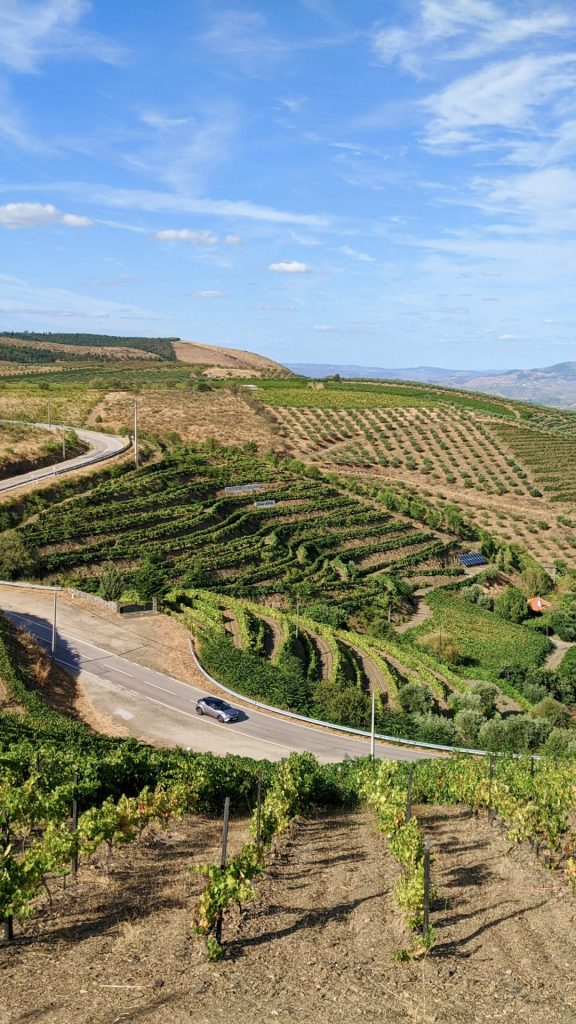
The Douro Region is the oldest and best known in Northern Portugal. It stretches along the Douro River and its tributaries, in a terraced landscape that was classified by UNESCO as a World Heritage Site in 2001. This is the region where Port Wine is produced, a fortified wine obtained by interrupting fermentation through the addition of grape spirit, which gives it a higher alcohol content and a sweeter profile. In addition to Port Wine, the region also produces Douro Wine, a still table wine available in red, white, or rosé.
The most commonly used grape varieties include Touriga Nacional, Touriga Franca, Tinta Roriz, and Tinta Barroca for reds, and Malvasia Fina, Viosinho, and Rabigato for whites.
The climate is continental, with hot, dry summers and cold winters, and the soils are predominantly schist, which directly influences the minerality and structure of the wines.
Vinho Verde Region
The Vinho Verde Region is located in the extreme northwest of Portugal, between the coast and the interior, covering districts such as Braga, Viana do Castelo, Porto, and parts of Vila Real and Aveiro. The name “verde” (green) does not refer to the color of the wine but to the fact that it is consumed young, shortly after harvest.
It is known for its fresh, light wines with high acidity and, often, a slight natural effervescence.
The climate in this region is more humid and mild due to its proximity to the Atlantic, which favors the production of aromatic white wines.
The most representative grape varieties are Alvarinho, Loureiro, Trajadura, and Avesso for whites, and Vinhão for reds.
Trás-os-Montes Region
The Trás-os-Montes Region is located in the northeastern interior of the country, in an area with a more extreme climate, featuring hot summers and cold winters typical of a continental climate. It is a smaller region in terms of production compared to the Douro or Vinho Verde, but it has been gaining visibility in wine tourism due to the growing quality of its wines and the authenticity of its landscapes.
Dão Region
The Dão Region is located in central Portugal, south of the Douro, in an area bordered by mountain ranges such as the Serra da Estrela, which gives the region a more continental climate, shielded from Atlantic winds and dry winds from the interior. The soils are predominantly granitic, resulting in wines with good acidity and minerality.
Dão wines are recognized for their elegance and balance, traditionally described as more discreet and less full-bodied than those of the Douro.
The most widely used red grape varieties are Touriga Nacional, Jaen, Alfrocheiro, and Tinta Roriz, while among white varieties, Encruzado predominates—a variety associated with high-quality white wines with strong aging potential.
Bairrada Region
The Bairrada Region is located along the central coast of Portugal, between Coimbra and Aveiro, benefiting from a climate with greater Atlantic influence, more humid and mild. The soils are characterized by the presence of clay and limestone, locally known as “barro.”
Bairrada is particularly well known for its production of sparkling wine, made mainly from the Baga grape, which is also the region’s most representative red variety, producing wines with high tannic structure suited for aging. Among whites, notable varieties include Bical and Maria Gomes (Fernão Pires).
Beyond wine, Bairrada is a renowned gastronomic region, especially associated with roast suckling pig, which reinforces its tourism offering centered on the combination of wine and gastronomy.
Where Wine Tourism Is Most Prominent
Within the Northern region, wine tourism is most developed, with the greatest infrastructure, in the Douro, which has the largest number of estates equipped to receive visitors. The Douro is also the region with the greatest international recognition, attracting a high volume of foreign tourists.
The Vinho Verde Region has been significantly developing its wine tourism offering, especially around Monção and Melgaço, combining Alvarinho tastings with experiences related to the Minho River and local heritage.
The most common wine tourism experiences in these regions include guided tours of estates and wineries, commented wine tastings, participation in the grape harvest (usually between September and October), walks through the terraced vineyards, accommodation in historic estates, and boat trips on the Douro, known as river cruises.
Northern Portugal brings together a diverse set of designated wine regions, each with its own characteristics in terms of climate, soil, grape varieties, and wine style produced. This diversity contributes to Northern Portugal being considered one of the leading wine tourism destinations in Europe.
Wine Tourism in the Northern Region of Portugal
Wine tourism is one of the most important tourist activities in Portugal, and the country’s Northern region is where this type of tourism is most prominent.
This is due to the concentration of designated wine regions with centuries of history, landscapes shaped by vine cultivation, and internationally recognized wine production, particularly Port Wine and Vinho Verde.
This region is home to some of the oldest designated wine regions in the world, which gives local wine tourism added historical and cultural value.
What Is a Designated Region
A designated region is a geographical area delimited by law, within which wine production follows specific rules regarding authorized grape varieties, production methods, maximum yields, and the characteristics a wine must have in order to use the designation of origin.
In Portugal, this system dates back to the 18th century, with the creation of the Douro Designated Region in 1756, considered one of the first in the world.
Main Designated Regions of Northern Portugal
Douro Region
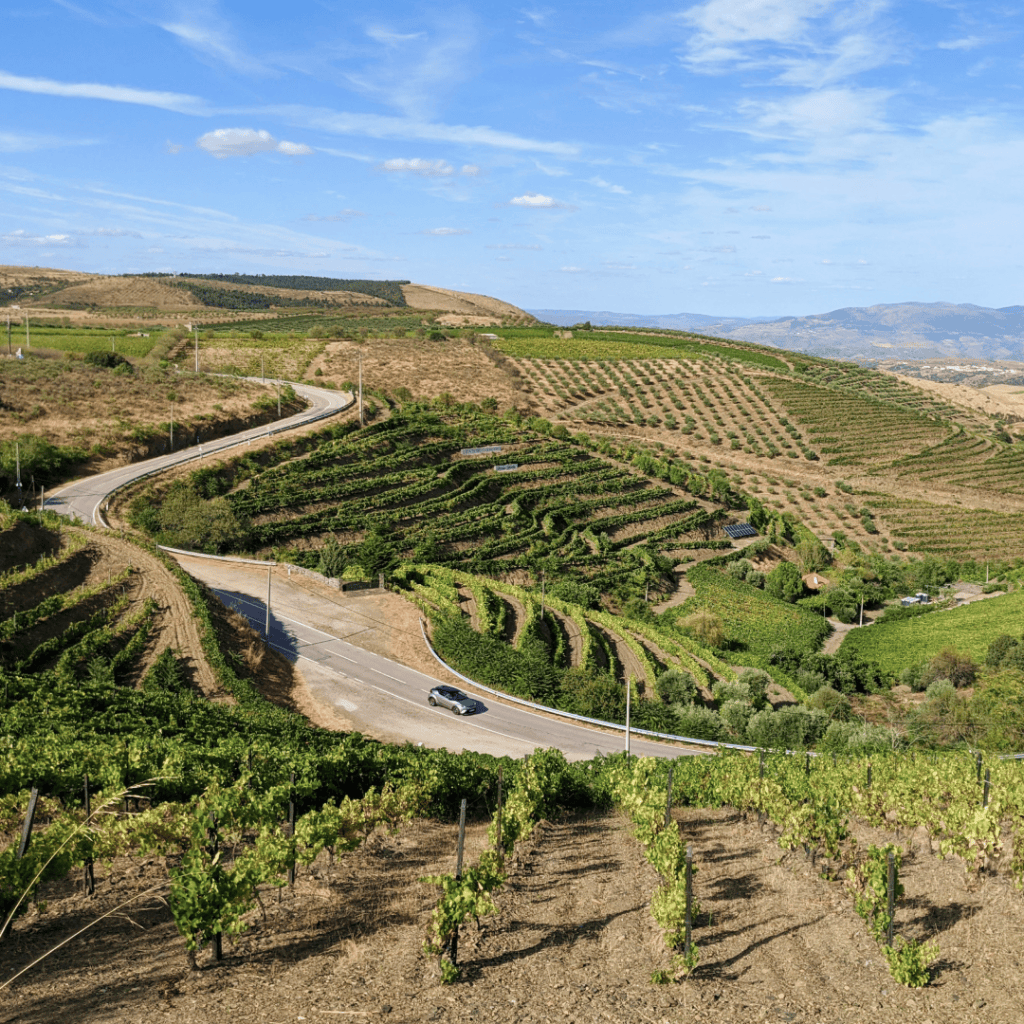
The Douro Region is the oldest and best known in Northern Portugal. It stretches along the Douro River and its tributaries, in a terraced landscape that was classified by UNESCO as a World Heritage Site in 2001.
This is the region where Port Wine is produced, a fortified wine obtained by interrupting fermentation through the addition of grape spirit, which gives it a higher alcohol content and a sweeter profile. In addition to Port Wine, the region also produces Douro Wine, a still table wine available in red, white, or rosé.
The most commonly used grape varieties include Touriga Nacional, Touriga Franca, Tinta Roriz, and Tinta Barroca for reds, and Malvasia Fina, Viosinho, and Rabigato for whites.
The climate is continental, with hot, dry summers and cold winters, and the soils are predominantly schist, which directly influences the minerality and structure of the wines.
Vinho Verde Region
The Vinho Verde Region is located in the extreme northwest of Portugal, between the coast and the interior, covering districts such as Braga, Viana do Castelo, Porto, and parts of Vila Real and Aveiro. The name “verde” (green) does not refer to the color of the wine but to the fact that it is consumed young, shortly after harvest.
It is known for its fresh, light wines with high acidity and, often, a slight natural effervescence.
The climate in this region is more humid and mild due to its proximity to the Atlantic, which favors the production of aromatic white wines. The most representative grape varieties are Alvarinho, Loureiro, Trajadura, and Avesso for whites, and Vinhão for reds.
Trás-os-Montes Region
The Trás-os-Montes Region is located in the northeastern interior of the country, in an area with a more extreme climate, featuring hot summers and cold winters typical of a continental climate. It is a smaller region in terms of production compared to the Douro or Vinho Verde, but it has been gaining visibility in wine tourism due to the growing quality of its wines and the authenticity of its landscapes.
Dão Region
The Dão Region is located in central Portugal, south of the Douro, in an area bordered by mountain ranges such as the Serra da Estrela, which gives the region a more continental climate, shielded from Atlantic winds and dry winds from the interior.
The soils are predominantly granitic, resulting in wines with good acidity and minerality. Dão wines are recognized for their elegance and balance, traditionally described as more discreet and less full-bodied than those of the Douro.
The most widely used red grape varieties are Touriga Nacional, Jaen, Alfrocheiro, and Tinta Roriz, while among white varieties, Encruzado predominates – a variety associated with high-quality white wines with strong aging potential.
Bairrada Region
The Bairrada Region is located along the central coast of Portugal, between Coimbra and Aveiro, benefiting from a climate with greater Atlantic influence, more humid and mild. The soils are characterized by the presence of clay and limestone, locally known as “barro.”
Bairrada is particularly well known for its production of sparkling wine, made mainly from the Baga grape, which is also the region’s most representative red variety, producing wines with high tannic structure suited for aging. Among whites, notable varieties include Bical and Maria Gomes (Fernão Pires).
Beyond wine, Bairrada is a renowned gastronomic region, especially associated with roast suckling pig, which reinforces its tourism offering centered on the combination of wine and gastronomy.
Where Wine Tourism Is Most Prominent
Within the Northern region, wine tourism is most developed, with the greatest infrastructure, in the Douro, which has the largest number of estates equipped to receive visitors. The Douro is also the region with the greatest international recognition, attracting a high volume of foreign tourists.
The Vinho Verde Region has been significantly developing its wine tourism offering, especially around Monção and Melgaço, combining Alvarinho tastings with experiences related to the Minho River and local heritage.
The most common wine tourism experiences in these regions include guided tours of estates and wineries, commented wine tastings, participation in the grape harvest (usually between September and October), walks through the terraced vineyards, accommodation in historic estates, and boat trips on the Douro, known as river cruises.
Northern Portugal brings together a diverse set of designated wine regions, each with its own characteristics in terms of climate, soil, grape varieties, and wine style produced. This diversity contributes to Northern Portugal being considered one of the leading wine tourism destinations in Europe.
PHONE (PORTUGAL)
Call cost to the Portugal Mobile Network
RNAAT Nº 715/2025
Design and Development IESolutions